
August 24, 2026
Dental Health
When it comes to fixing chipped, stained, or uneven teeth, two treatments come up most often: veneers and dental bonding. For patients in Gold River asking about Veneers vs. Bonding: Which Actually Lasts Longer Gold River has to offer, the answer depends on your goals, budget, and how much tooth structure you want to preserve. Both options can transform your smile — but they work very differently. Understanding those differences helps you make a confident, informed choice.
What Are Veneers and How Do They Work?
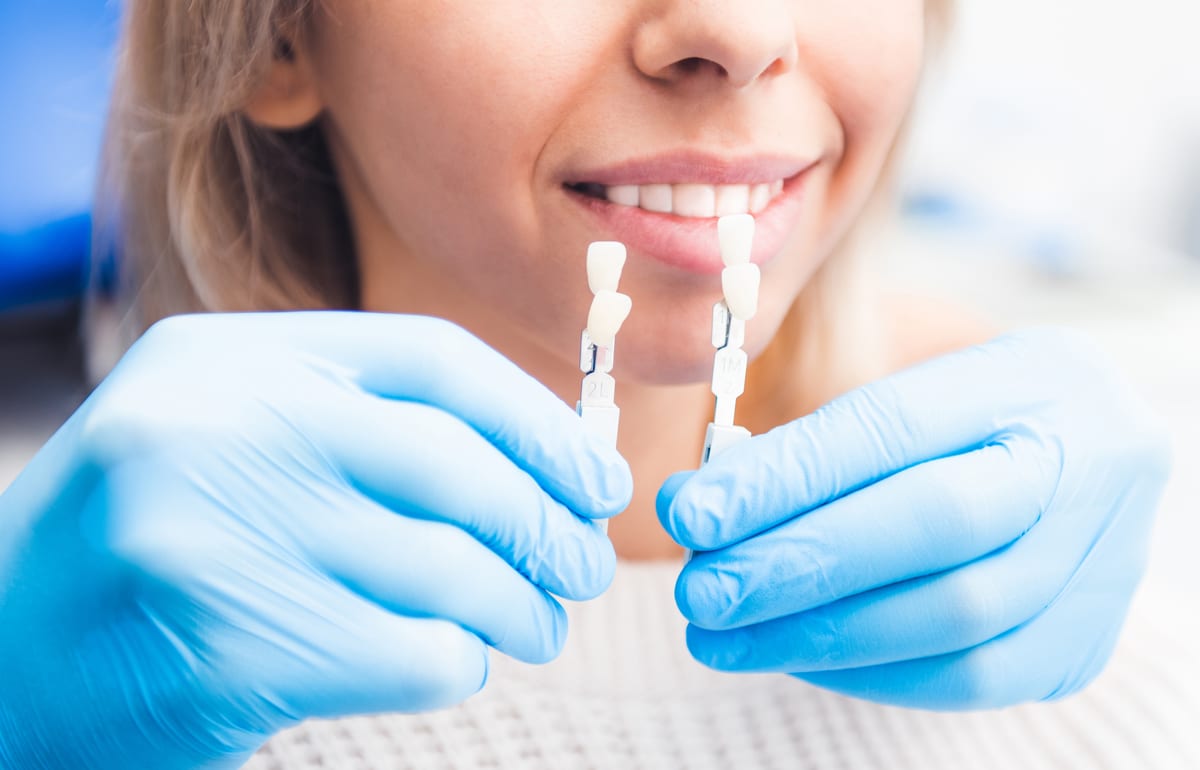
Veneers are thin shells of porcelain or composite material bonded to the front of your teeth. Porcelain veneers are the most popular choice for long-lasting smile transformations. They resist staining and mimic the light-reflecting quality of natural enamel beautifully.
The process typically requires two appointments. During the first visit, Dr. Ankita Agarwal removes a small amount of enamel to create space for the veneer. Impressions are taken and sent to a dental lab. Custom-made veneers are then permanently bonded at the second appointment.
Because enamel removal is irreversible, veneers are considered a permanent commitment. That said, they offer exceptional durability and a highly polished, natural-looking result. Most patients at River Family Dentistry in Gold River choose porcelain veneers when they want a dramatic, long-lasting change.
What Is Dental Bonding and When Does It Make Sense?
Dental bonding uses a tooth-colored composite resin applied directly to the tooth surface. Dr. Agarwal sculpts and hardens the resin with a special light — all in a single visit. No lab work is required, which makes bonding faster and more affordable.
Bonding works well for minor chips, small gaps, and surface discoloration. It requires little to no enamel removal, making it a minimally invasive option. Patients who want a quick fix without a large upfront commitment often start here.
However, composite resin is more porous than porcelain. It can absorb stains from coffee, wine, and tobacco over time. Regular touch-ups help bonding look its best for longer.
Veneers vs. Bonding: Longevity, Cost, and Invasiveness Compared in Gold River
This is where the real comparison gets interesting. Here is a quick side-by-side breakdown to help you decide:
- Lifespan: Porcelain veneers typically last 10–20 years. Dental bonding usually lasts 3–7 years before needing repair or replacement.
- Cost: Veneers carry a higher upfront cost per tooth. Bonding is significantly more affordable, especially for one or two teeth.
- Invasiveness: Veneers require enamel removal — a permanent change. Bonding is non-invasive and reversible in most cases.
- Stain resistance: Porcelain veneers resist staining well. Composite resin used in bonding stains more easily over time.
- Appearance: Both can look very natural. Veneers offer a more uniform, polished finish for full smile makeovers.
- Repair: Bonding chips can be fixed quickly and cheaply. A damaged veneer typically requires full replacement.
For Gold River patients weighing Veneers vs. Bonding on longevity alone, veneers win. But bonding offers real value when cost or invasiveness is a concern.
How to Choose the Right Option for Your Smile
Your best choice depends on what problem you are trying to solve. Consider bonding if you have a minor chip, a small gap, or want to test a change before committing. It is also ideal for younger patients whose smiles are still developing.
Consider veneers if you want to correct multiple cosmetic concerns at once. Severe staining that does not respond to whitening, noticeable size or shape issues, and heavily discolored enamel all respond better to veneers. Think of veneers as a long-term investment in a consistently beautiful smile.
Here are some helpful questions to ask yourself before your consultation:
- Do I want to change one tooth or several teeth at once?
- Am I comfortable with a permanent change to my enamel?
- Is a lower upfront cost a priority right now?
- How important is long-term stain resistance to me?
- Am I willing to return for touch-ups every few years?
Dr. Agarwal will review your teeth, discuss your lifestyle, and recommend the option that fits your specific situation. There is no single right answer — only the right answer for you.
What to Expect at River Family Dentistry in Gold River
River Family Dentistry offers both veneers and dental bonding as part of a full range of cosmetic and general dentistry services. Dr. Agarwal takes time to explain every option clearly before any treatment begins. Patients leave consultations feeling informed, not pressured.
Whether you are leaning toward bonding for its simplicity or veneers for their longevity, the process starts the same way — a conversation about your smile goals. The team at River Family Dentistry also offers teeth whitening, Invisalign, and dental implants for patients who want to address multiple concerns at once.
Gold River patients also appreciate the practice’s focus on family care. From pediatric dentistry to adult cosmetic treatments, the whole family can be seen in one convenient location. Scheduling is straightforward, and the team works to keep appointments efficient and comfortable.
Ready to find out which option is right for your smile? Book Now to schedule your appointment with our team.
Frequently Asked Questions
How long do veneers really last compared to bonding?
Porcelain veneers typically last between 10 and 20 years with proper care. Dental bonding usually lasts 3 to 7 years before it needs touch-ups or replacement. Veneers offer greater longevity, but bonding is easier and less expensive to repair when needed.
Is dental bonding a good option for front teeth?
Yes, dental bonding works very well on front teeth for minor chips, cracks, or gaps. Dr. Agarwal matches the composite resin to your natural tooth color for a seamless look. However, bonding on front teeth may show staining sooner if you drink coffee or wine regularly.
Do veneers damage your natural teeth?
The veneer process does require removing a thin layer of enamel, which is a permanent change. This is why veneers are considered a long-term commitment. However, modern veneers are designed to preserve as much natural tooth structure as possible while still delivering a strong bond.
Can I whiten my teeth after getting veneers or bonding?
Teeth whitening does not affect the color of porcelain veneers or composite bonding material. If you plan to whiten, it is best to do so before getting either treatment. Dr. Agarwal can help you sequence your cosmetic treatments for the best possible result.
How do I know which treatment is right for me in Gold River?
The best way to decide is through a personal consultation with Dr. Ankita Agarwal at River Family Dentistry. She will examine your teeth, discuss your goals, and walk you through the pros and cons of each option for your unique situation. There is no obligation — just honest, expert guidance.
Recent Posts
Oct. 26, 2026
Why Ignoring a Dental Abscess Could Be Dangerous

Oct. 19, 2026
Why Custom Mouthguards Beat Store-Bought for Young Athletes
Oct. 12, 2026
What Happens Right After Your Cleaning Matters Most

Sep. 28, 2026
Keep Your Dental Crown Lasting: Foods, Habits, and Nighttime Protection

Sep. 21, 2026