

September 14, 2026
Dental Health
Many Gold River parents wonder: when does your child’s thumb sucking become a dental problem in Gold River? The short answer is that it depends on age and intensity. Thumb sucking is completely normal for babies and toddlers. It becomes a concern when it continues past a certain developmental stage or happens very aggressively.
At River Family Dentistry – Gold River, Dr. Ankita Agarwal works with families to understand these habits. She helps parents recognize warning signs early. Early action can prevent the need for more involved dental treatment later on.
Why Thumb Sucking Is Normal — Up to a Point
Babies are born with a natural sucking reflex. This reflex helps with feeding and provides comfort. Thumb sucking and pacifier use are both healthy, normal behaviors in infants and young toddlers. They help children self-soothe during stressful or unfamiliar situations.
Most children naturally stop thumb sucking between ages two and four. Their growing independence and social awareness play a big role. The American Academy of Pediatric Dentistry considers the habit low-risk before age three. After that, ongoing sucking can start affecting how the teeth and jaw develop.
It is important not to panic if your three-year-old still sucks their thumb occasionally. Frequency and force matter more than the habit alone. A child who sucks their thumb lightly during sleep is at lower risk than one who sucks aggressively throughout the day.
Signs That Thumb Sucking Is Becoming a Dental Problem in Gold River
Not every child who sucks their thumb will develop dental issues. However, there are clear warning signs that parents in Gold River should watch for. Spotting these early makes a real difference in outcomes.
Here are the most common dental changes linked to prolonged thumb sucking:
- Open bite: The front teeth do not meet when the mouth is closed
- Overjet: Upper front teeth jut forward, sometimes called buck teeth
- Narrowing of the palate: The roof of the mouth becomes arched or narrow
- Changes in bite alignment: Upper and lower teeth no longer fit together properly
- Lisping or speech difficulties: Tongue placement is affected by shifted teeth
Dr. Agarwal can identify these changes during a routine pediatric dental visit. Early detection allows for simpler corrections. Waiting too long can mean more complex orthodontic treatment down the road.
If your child is five or older and still actively sucking their thumb, schedule a checkup soon. A professional evaluation gives you clear, personalized guidance. It also reassures your child that their dentist is a helpful, friendly resource.
How Pacifiers Compare to Thumb Sucking
Many parents choose pacifiers as an alternative to thumb sucking. Pacifiers offer one key advantage — you can take them away. Thumbs, of course, are always available. This makes pacifier habits generally easier to break when the time comes.
Both habits carry similar dental risks when they continue too long. Pacifier use beyond age two to three can still cause open bites and palate changes. The shape of the pacifier does matter, though. Orthodontic pacifier designs may cause slightly less misalignment than standard round ones.
The timing of stopping is more important than which habit your child has. Whether it is a thumb or a pacifier, the goal is the same. Gentle, consistent weaning before age four gives teeth the best chance to self-correct.
Gentle Ways to Help Your Child Stop Without Conflict
Forcing a child to stop thumb sucking usually backfires. Stress and anxiety actually increase the urge to suck. A calm, supportive approach works far better for everyone involved.
Here are some parent-tested strategies that Dr. Agarwal recommends:
- Positive reinforcement: Praise and reward your child for choosing not to suck their thumb
- Identify triggers: Notice when the habit peaks — tiredness, boredom, or stress
- Offer alternatives: Give a comfort toy, blanket, or sensory activity instead
- Use reminders, not punishment: A bandage on the thumb or a gentle verbal reminder works without shame
- Involve your child: Older children can set their own goals and track progress on a chart
- Talk to your dentist: Dr. Agarwal can speak directly with your child about their teeth in a friendly, non-threatening way
Sometimes children need a little extra help. Dental appliances called habit-breaker devices can gently discourage thumb sucking. Dr. Agarwal only recommends these when simpler strategies have not worked. They are not a punishment — they are a tool that removes the satisfying sensation of sucking.
The most important thing is to stay patient. Most children respond well when they feel supported rather than criticized. Making the process feel like teamwork keeps the relationship positive and productive.
What to Expect at a Pediatric Dental Visit in Gold River
If you are concerned about your child’s thumb sucking habit, a dental visit is the best first step. Dr. Agarwal provides thorough, gentle evaluations for children of all ages at River Family Dentistry – Gold River. She examines the teeth, jaw alignment, and palate during every checkup.
During the visit, Dr. Agarwal will:
- Review your child’s dental and medical history
- Examine bite alignment and jaw development
- Check for any early signs of misalignment caused by the habit
- Discuss age-appropriate strategies with you and your child
- Recommend a follow-up plan based on your child’s specific needs
The visit is educational and reassuring — never scary. Children who visit the dentist regularly feel more comfortable talking about their habits. That openness makes it easier to address problems early.
Regular teeth cleanings are also part of building a healthy foundation. Keeping your child’s teeth clean protects enamel and supports overall oral development. A clean, healthy mouth is always the starting point for any habit correction plan.
Conclusion: Take Action Before Small Habits Become Big Problems
Understanding when your child’s thumb sucking becomes a dental problem in Gold River gives you real power as a parent. Early awareness, gentle intervention, and professional support make all the difference. You do not have to figure this out alone.
Dr. Ankita Agarwal and the team at River Family Dentistry – Gold River are here to help every step of the way. We take a warm, educational approach to pediatric care. Our goal is to make both parents and children feel informed and comfortable. Book Now to schedule your appointment with our team.
Frequently Asked Questions
At what age should I be concerned about my child’s thumb sucking?
Most children naturally stop thumb sucking between ages two and four. If your child is still actively sucking their thumb at age four or five, it is time to speak with a dentist. Dr. Agarwal can assess whether the habit is affecting tooth and jaw development.
Can thumb sucking damage baby teeth as well as permanent teeth?
Yes, prolonged or aggressive thumb sucking can affect baby teeth. It can alter the shape of the palate and shift tooth positions even before permanent teeth arrive. These early changes can influence how permanent teeth erupt later.
Is a pacifier safer than thumb sucking for my baby’s teeth?
Both habits carry similar risks when continued beyond age three. Pacifiers have one advantage — they can be removed. However, the timing of stopping matters more than which habit your child has. Aim to wean from both by age two to three if possible.
Will my child’s teeth straighten out on their own after stopping the habit?
In many cases, mild misalignment can self-correct if the habit stops before age four or five. The younger your child is when they stop, the greater the chance of natural correction. A dental evaluation will help determine whether any additional treatment is needed.
What dental treatments are available if thumb sucking has already caused alignment issues?
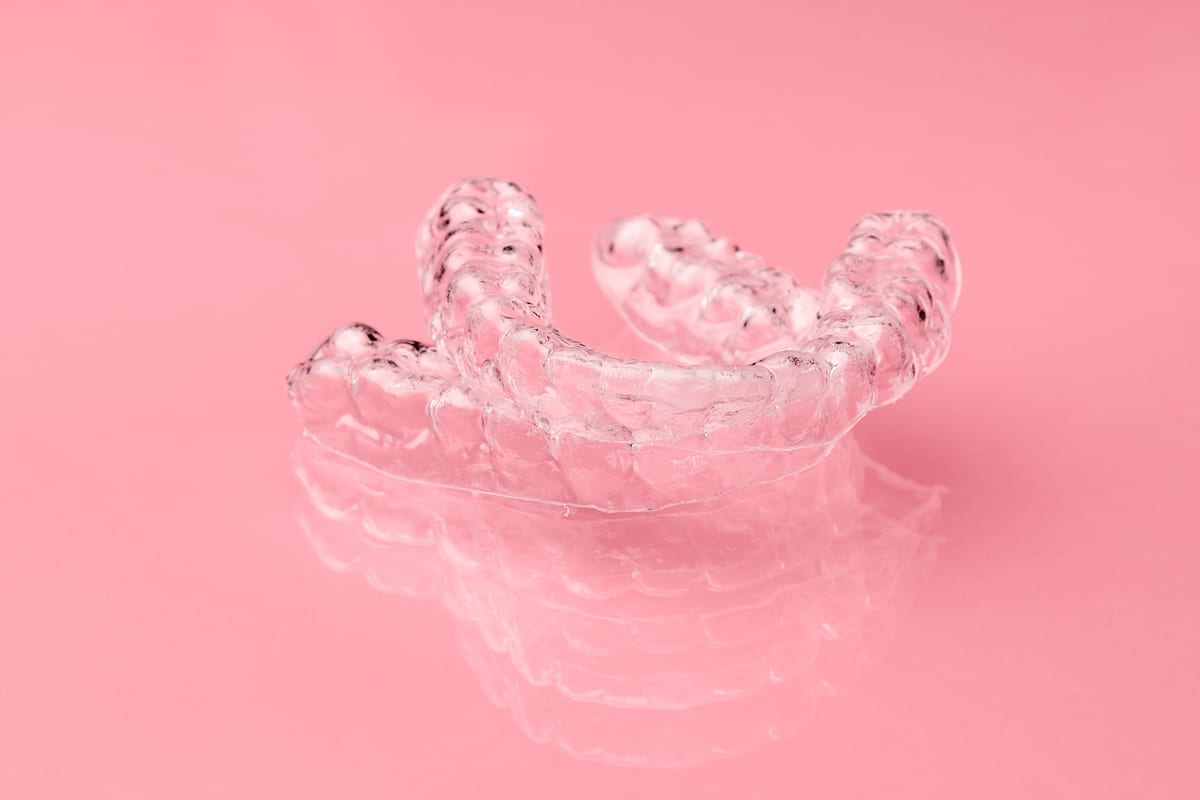
Dr. Agarwal may recommend monitoring, a habit-breaker appliance, or an orthodontic referral depending on severity. Invisalign is one option for older children with alignment concerns. Early intervention always leads to simpler, less costly treatment overall.
Recent Posts
Sep. 14, 2026
When Does Your Child’s Thumb Sucking Become a Dental Problem

Sep. 07, 2026
Why Your Teeth Feel Sensitive During Cleaning and How We Stop It

Aug. 24, 2026
Veneers vs. Bonding: Which Actually Lasts Longer
Aug. 17, 2026
How Long Does Invisalign Actually Take? Your Real Timeline Explained

Aug. 10, 2026